Burgess Birds
-
Yellow-throated Vireo

The Yellow-throated Vireo is one of the beautiful singers who also has a beautiful throat. Burgess doesn’t go into any detail about this bird, although Jenny Wren does tell Peter that he is the distinguishable one of the lot. So let’s find out a little more about him. Looking into what Cornell Lab has compiled,…
-
Warble, the Warbling Vireo
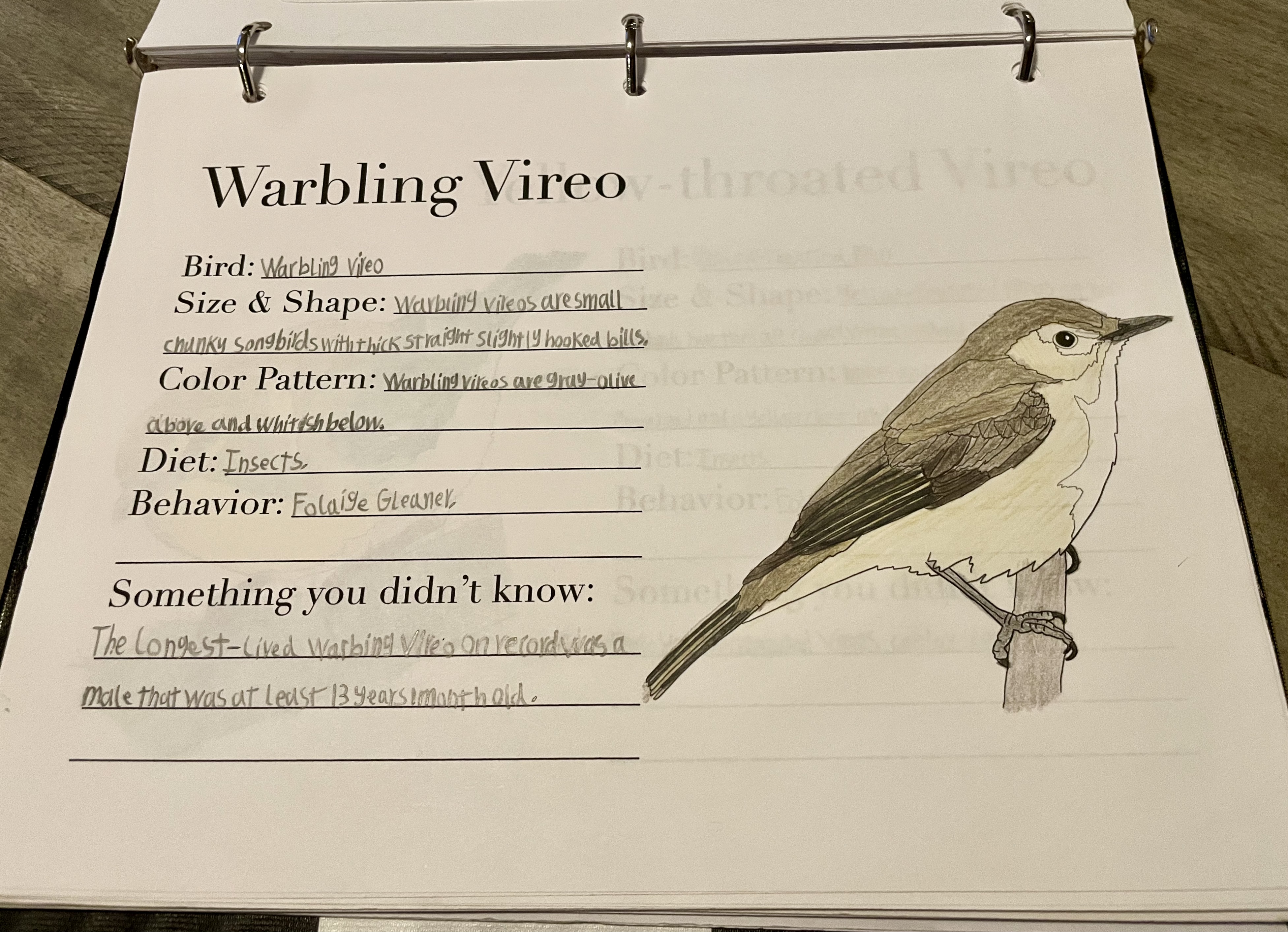
Have you wondered what warble means? We heard it when we went through the Warblers, which are a family of insect-eating, smaller birds found migrating up and down North America with the changing of seasons. It’s now when we come to Warble that the question pops into my head. To warble is to sing softly…
-
Redeye, the Red-eyed Vireo
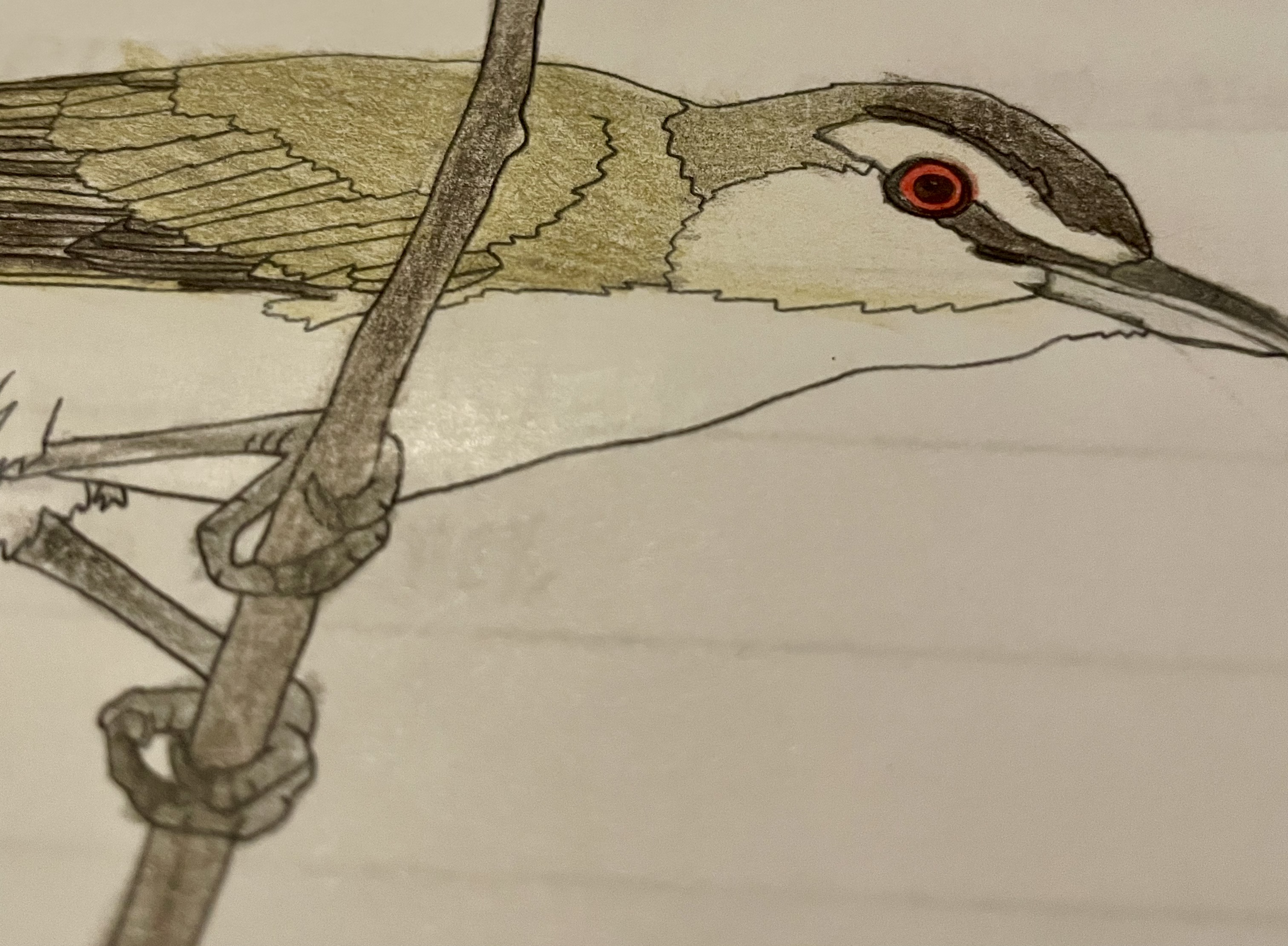
Who likes to sing as they work? It certainly offers help to our work when we do, a shifting of our perspective as merry hands make light work. Chapter 24 of Thornton W. Burgess’ beloved classic introduces three “Constant Singers.” As Burgess adds about Redeye, “Redeye believes in singing while he works,” said Jenny Wren.…
-
Redcoat, the Scarlet Tanager

The Scarlet Tanager is another elusive bird that I have been pleased to see in person while walking in a forest preserve in Northeastern Illinois. Being summertime, it was easier to spot the male because he was bearing his feathers of a red body and black wings. Due to spending some time reading about Scarlet…
-
Kitty, the Gray Catbird
-
Glory, the Northern Cardinal
One of the most beloved birds, the Northern Cardinal is a bird that can be identified easily by most people. Did you know that it is the state bird for seven states? The states included are Illinois, Indiana, Kentucky, North Carolina, Ohio, Virginia and West Virginia. Cardinals are a great guest to any backyard because…
-
Weechi, the Magnolia Warbler
Bold in black and yellow is the Magnolia Warbler! As we have seen in The Burgess Bird Book for Children, there are many warblers with black, yellow, and white patterns, but the Magnolia Warbler takes the cake with his striking combination. Burgess describes him like this, The top of his head and the back of his neck…
-
Fidget, the Yellow-rumped Warbler

-
Sprite, the Northern Parula
As quickly as the Warblers arrived, they left. In Burgess’ classic “The Burgess Bird Book for Children,” Peter finds a Warbler that stays in the Green Forest, the Northern Parula. He notices Sprite by finding his nest which looks like a bunch of moss hanging from a tree. Cornell Lab explains that Northern Parulas actually…
-
Chut-Chut, the Yellow-breasted Chat

Thornton W. Burgess writes about Chut-Chut being a little different from the other Warblers. He mentions the Yellow-breasted Chat’s difference in size, being a little larger than other Warblers, and even his cautious behavior. This is a really interesting case for those who love Natural History because at the time that “The Burgess Bird Book…