Burgess Birds
-
Mourner, the Mourning Dove

We have the tendency to overlook animals that we see often, and that includes Mourning Doves. I’ve heard people confuse them for Pigeons, and that’s okay! Let’s get a few things right about them. Thornton W. Burgess actually clears up some things about Mourner in Chapter 34 of The Burgess Bird Book for Children. Peter…
-
Chicoree, the American Goldfinch
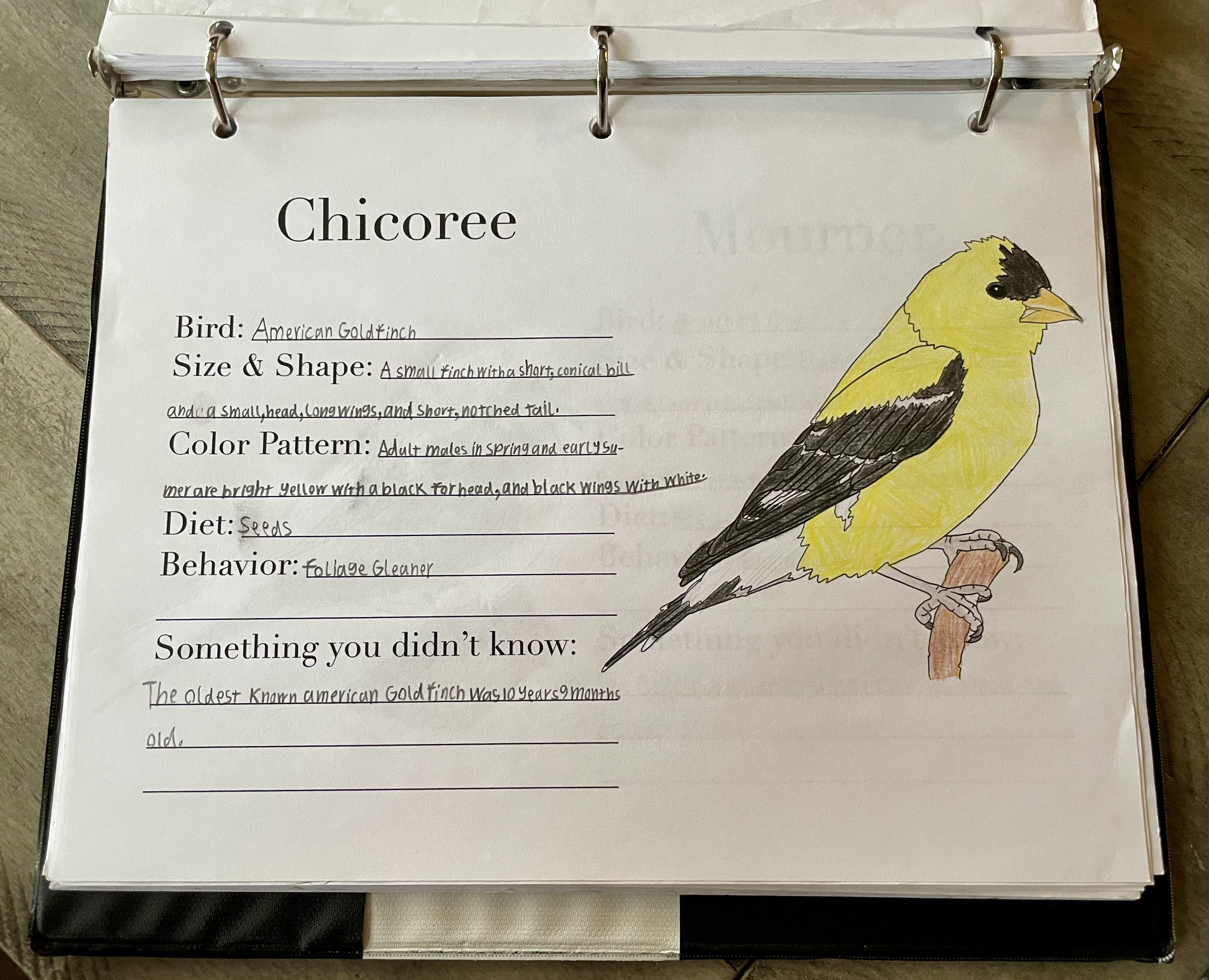
American Goldfinches are a great bird to try and attract to your backyard bird feeder. They love seeds, especially nyjer and sunflower seeds, which makes it easy for them to be year-round in many places around the United States. One thing that Peter Rabbit picks up on in The Burgess Bird Book for Children are…
-
Linnet, the Purple Finch
The name Linnet and why Burgess would choose it, caused me to pause and think this morning. Amazingly in my research, I discovered that it comes from Welsh, French origin and means “songbird.” I am always encouraged by Thornton W. Burgess’ thoroughness when delivering natural history to children. To think about how much thought and…
-
Indigo, the Indigo Bunting
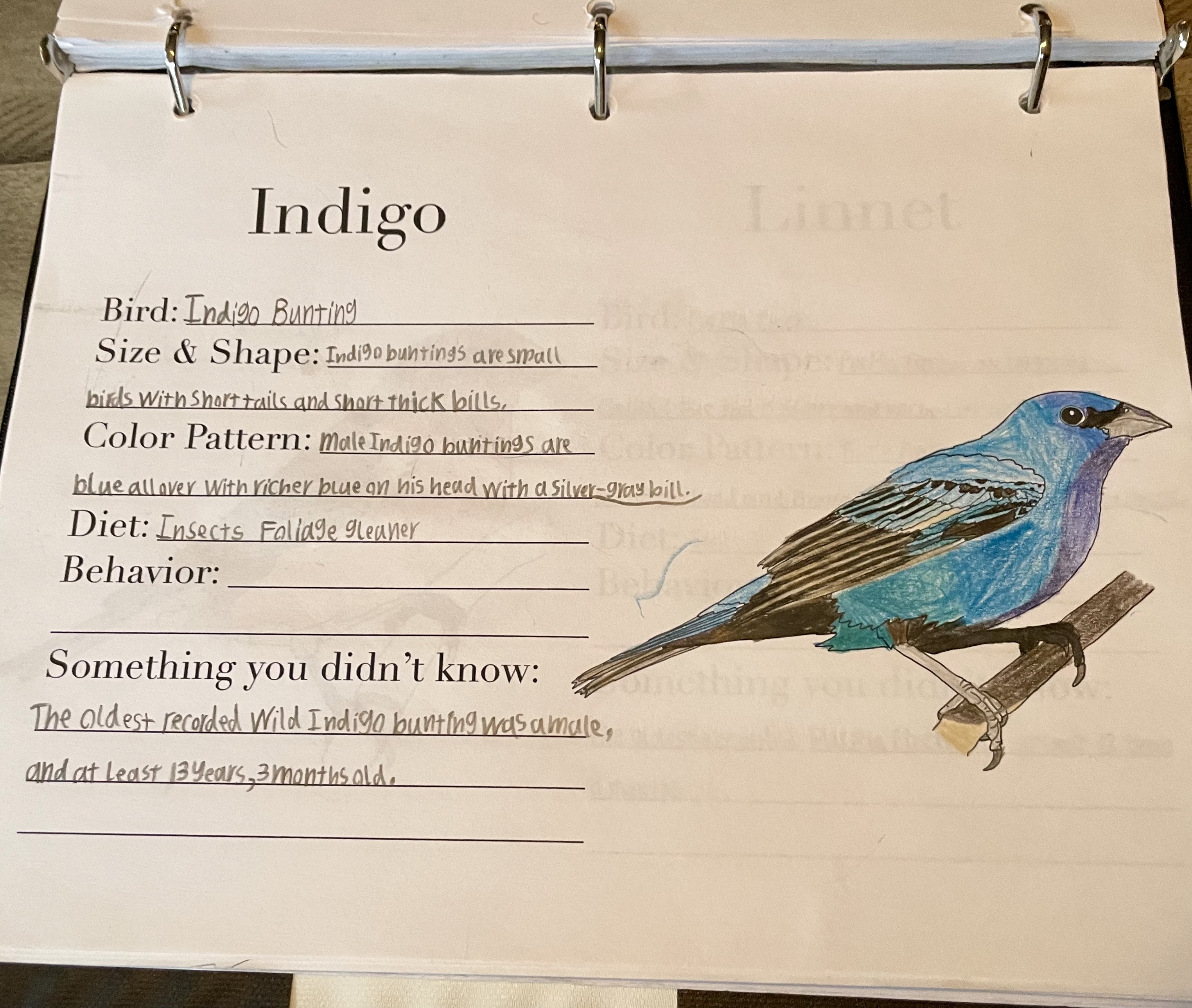
Why are Indigo Buntings blue? Do you have any idea? If a bird is blue it’s because it doesn’t have blue pigment. Isn’t it so interesting how that works? As Cornell Lab tells us, Their jewel-like color comes instead from microscopic structures in their feathers that refract and reflect blue light, much like the airborne…
-
Chewink, the Eastern Towhee
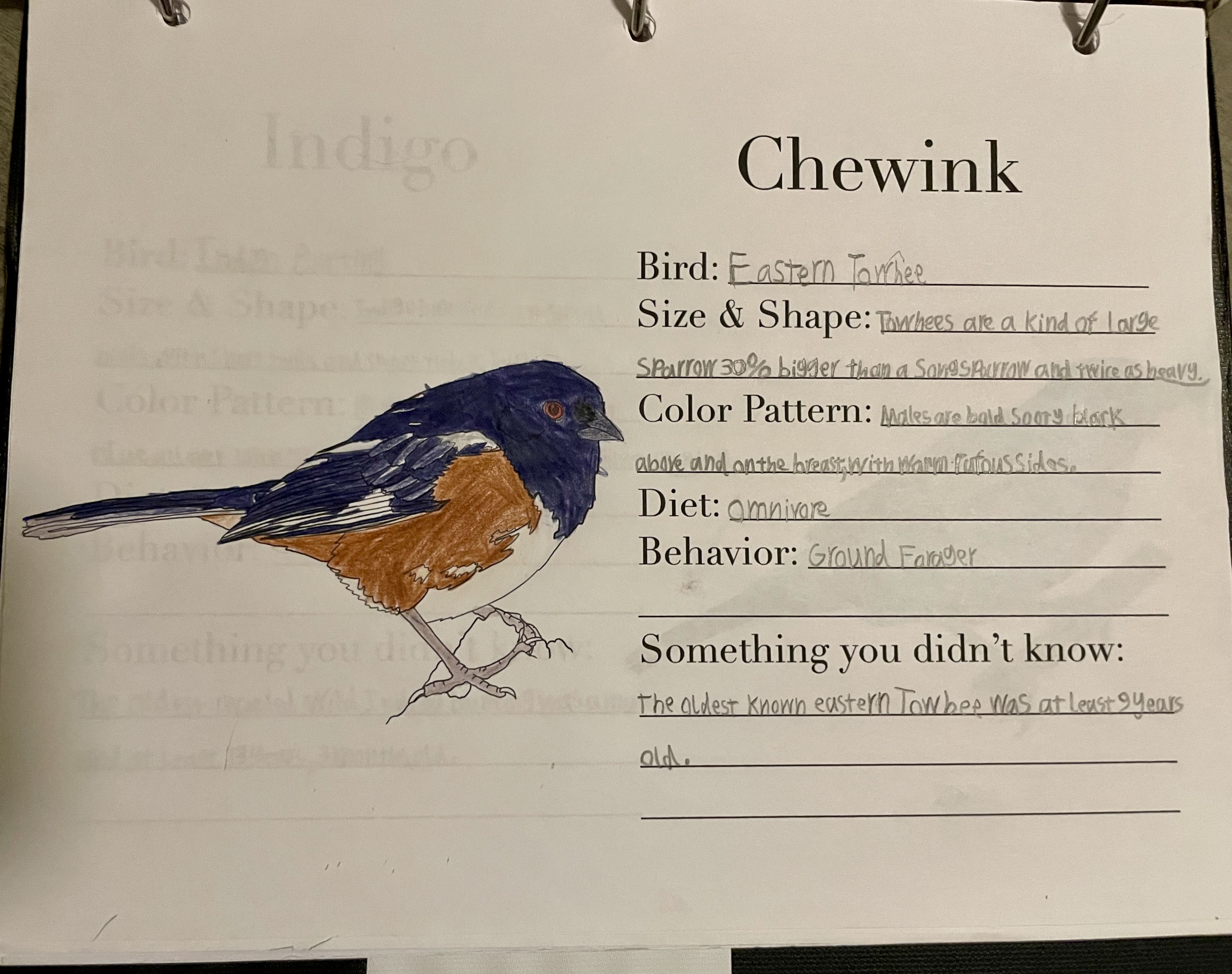
We find Peter Rabbit having to make a brave choice as he sees Chewink, the Eastern Towhee for the first time in The Burgess Book for Children, by Thornton W. Burgess. As he is observing Chewink scratch along the ground for food, he sees Reddy Fox preparing to capture Chewink. Peter doesn’t want to be…
-
Veery, the Veery

Veery, the Veery… it just rolls off the tongue. But what exactly is a Veery? In his classic, The Burgess Bird Book for Children, Thornton W. Burgess mentions that Veery has been named Wilson’s Thrush and Tawny Thrush as well. Veery has this name now because of his call, which you can sample here. I…
-
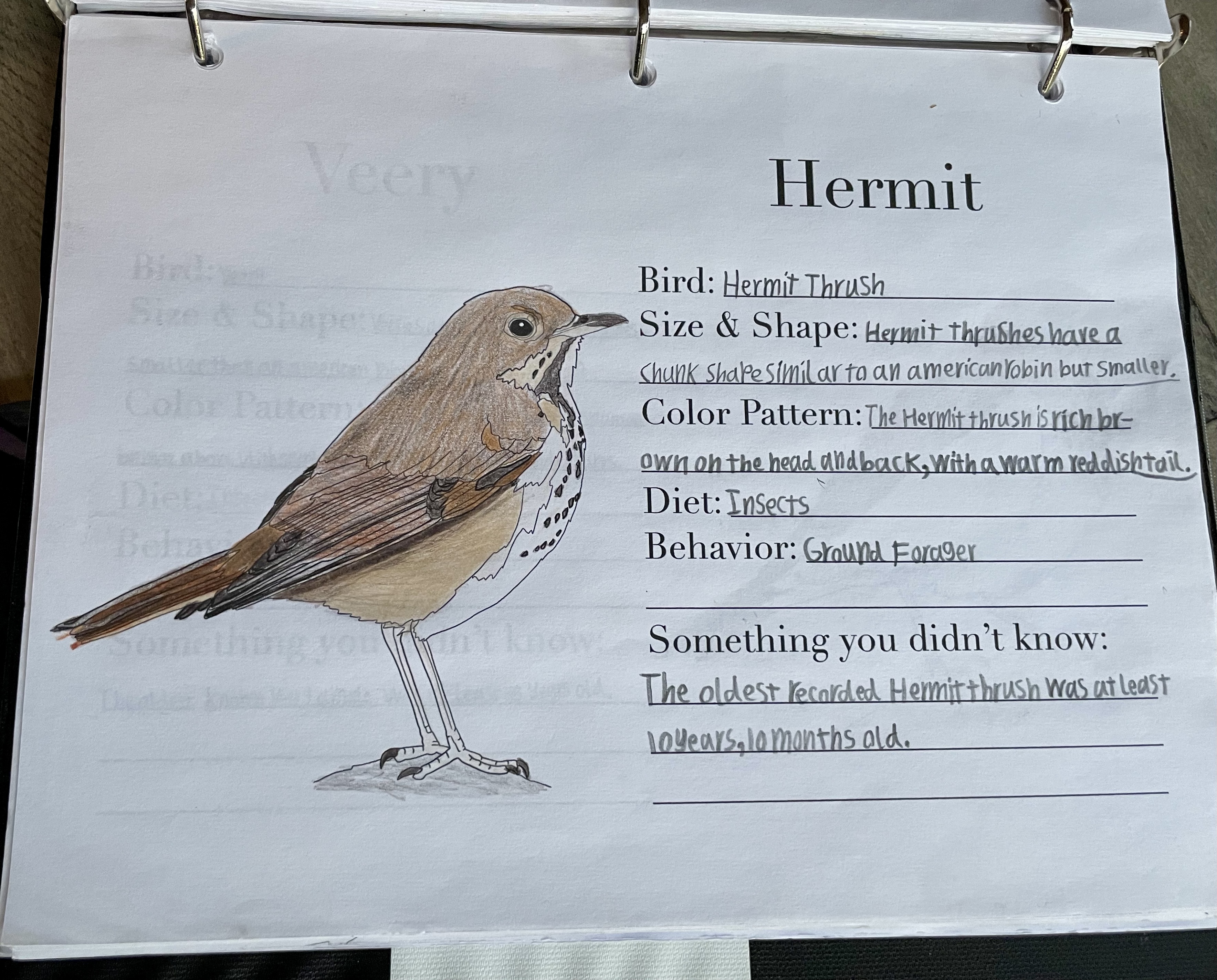
Hermit, the Hermit Thrush
-
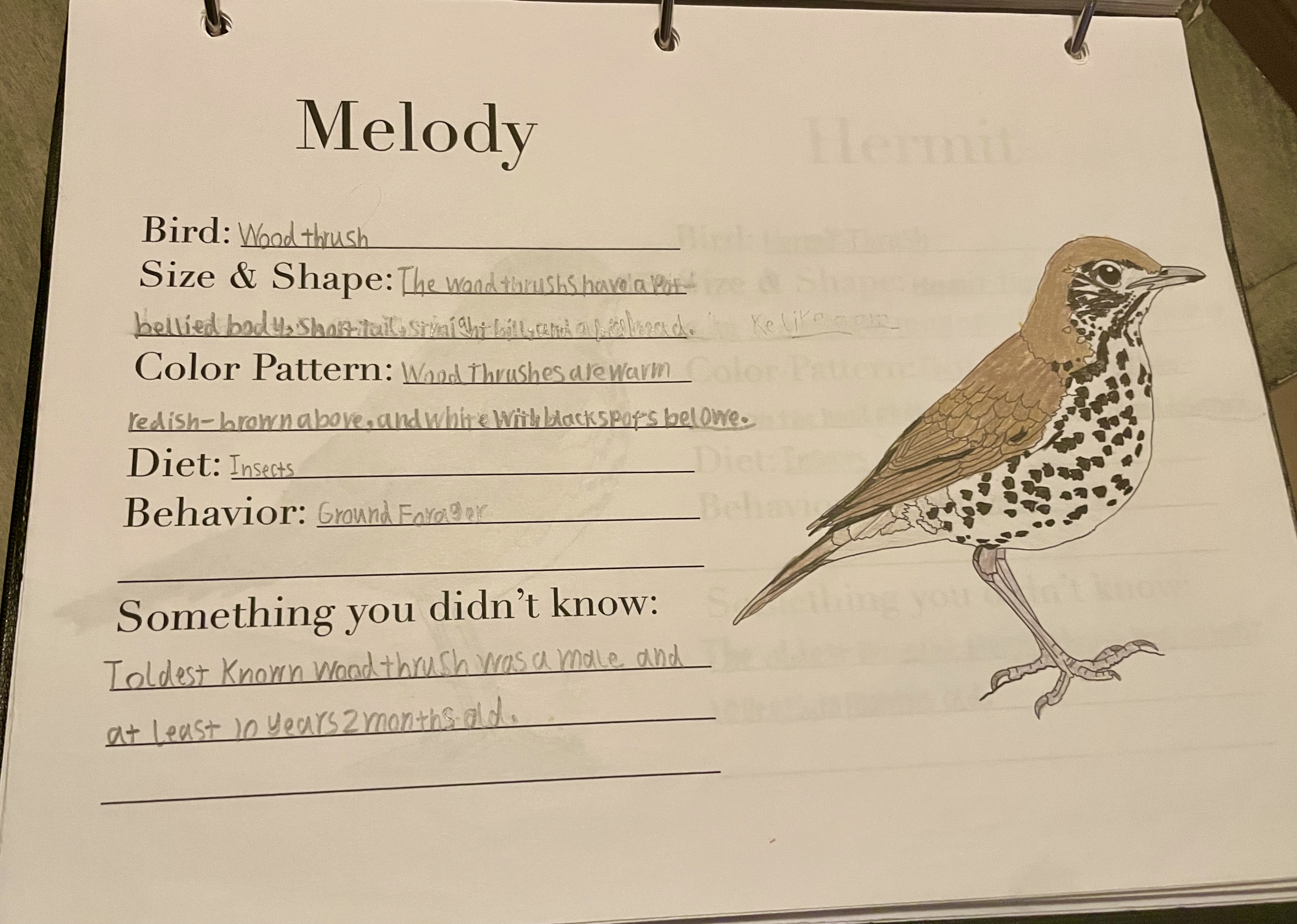
Melody, the Wood Thrush
-
Mocker, the Northern Mockingbird

-
Brownie, the Brown Thrasher
